
News
Ambulance teams respond to more than 1,200 emergencies in January
Ambulance teams strengthened round-the-clock readiness and linked response points with health facilities for faster critical care.
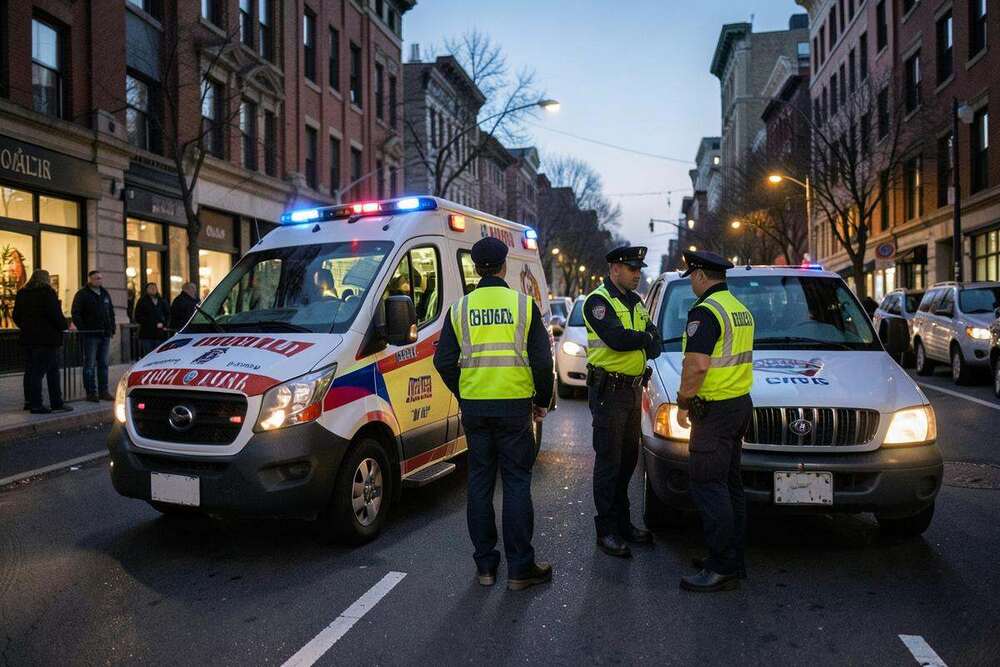
Response closer to communities
Each shift begins with a check of vehicles, radios and first-aid supplies before crews are positioned around expected demand and busy routes. That simple preparation helps volunteers move calmly and quickly when conditions change during the day.
Throughout January, dispatchers worked with response points and health facilities to update referral routes and share essential information before a patient arrived. Crews focused on first aid, stabilising patients and safe transport while keeping families informed about the next step.
A calm handover at every step
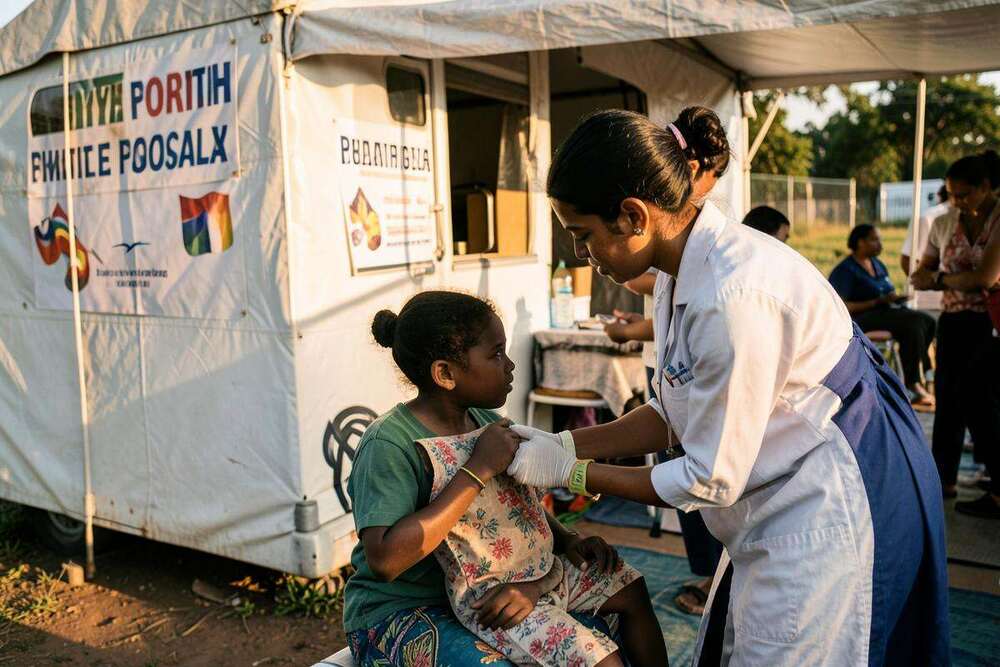
When a call comes in, coordinators record an initial description and location, then identify the closest team with the right capacity. On arrival, crews document vital signs and care provided, explain the referral decision to the family and confirm the safest route to the receiving facility.
- Confirm the safest route and receiving facility before departure.
- Share clear, regular updates with family members during transport.
- Record the handover so follow-up care is possible.
Care that continues after arrival
The work does not stop at the hospital door. Volunteers follow referrals with health workers and help families find the appropriate service when a case needs tests or additional follow-up. Those conversations also reveal practical barriers that could delay care on a future visit.
Learning from every response
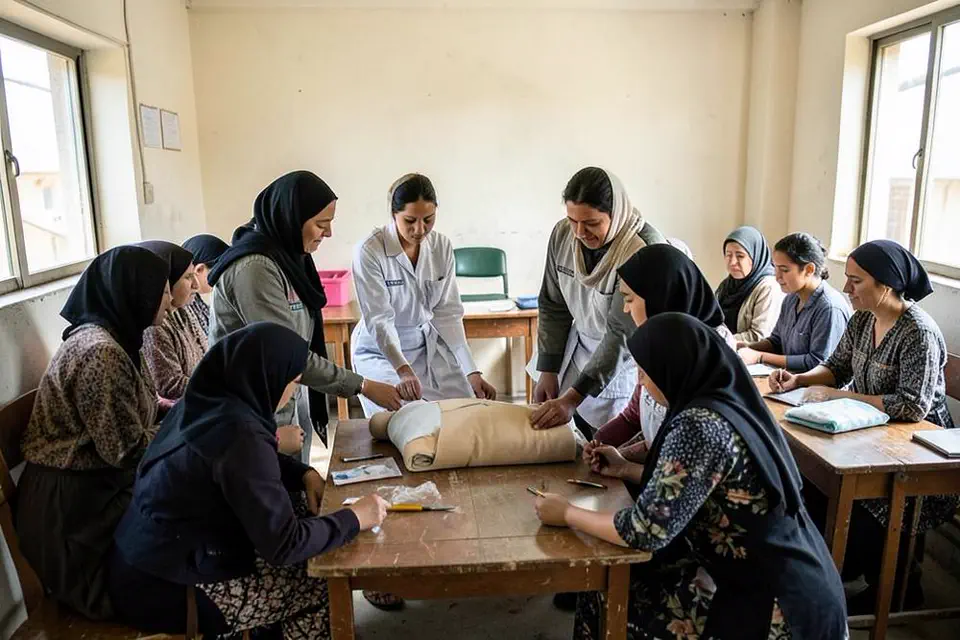
At the end of each shift, teams review call details, arrival times and any obstacles they encountered. The notes become practical changes to vehicle positioning, volunteer training and the way information is shared with communities.
These steady improvements make the ambulance service more consistent and more human, keeping help close to the people who need it most in a difficult moment.
- Emergency response
- Amanat Al Asimah
Related content
Food assistance reaches 2,400 families in high-need communities
Rehabilitated water point serves more than 7,000 people
Volunteer story: a week with the mobile care unit