
News
Food assistance reaches 2,400 families in high-need communities
Field teams completed an organised distribution with community committees to deliver assistance safely, transparently and with dignity.
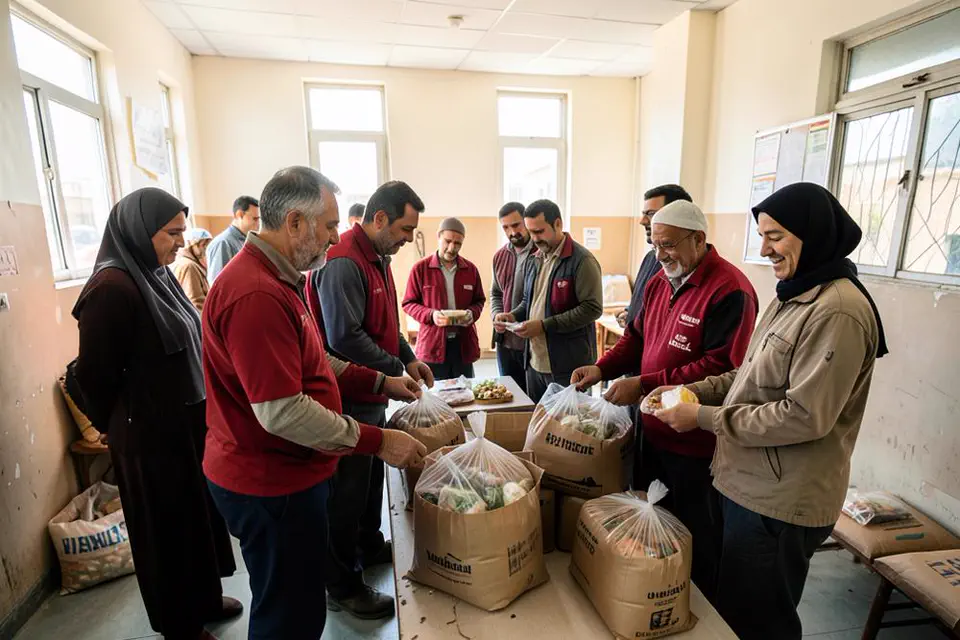
Planning around household needs
This fictional report was created for the website demonstration; its figures and events are illustrative. In this scenario, Yemen Red Crescent teams organised food assistance for 2,400 families across several communities in Al Hudaydah. The six-day distribution followed local consultations in which households with irregular incomes described increasing difficulty buying essential food alongside transport, water and other daily necessities.
Before the trucks arrived, volunteers reviewed household lists with community representatives and contacted families to confirm collection arrangements. Priority reflected assessed needs, including households headed by women, older people living alone and people with disabilities. The team spread appointments throughout the day and explained the location and documents needed, helping families plan their visit without a lengthy wait or an unnecessary journey.
Preparing each basket with care
At the preparation point, staff checked packaging and expiry dates and matched basket totals to daily dispatch lists. In this example, each basket included flour, rice, pulses and cooking oil, providing a contribution towards household meals over the following weeks. Volunteers explained that how long supplies lasted would depend on family size and use, and that the assistance offered temporary support within a wider set of needs.
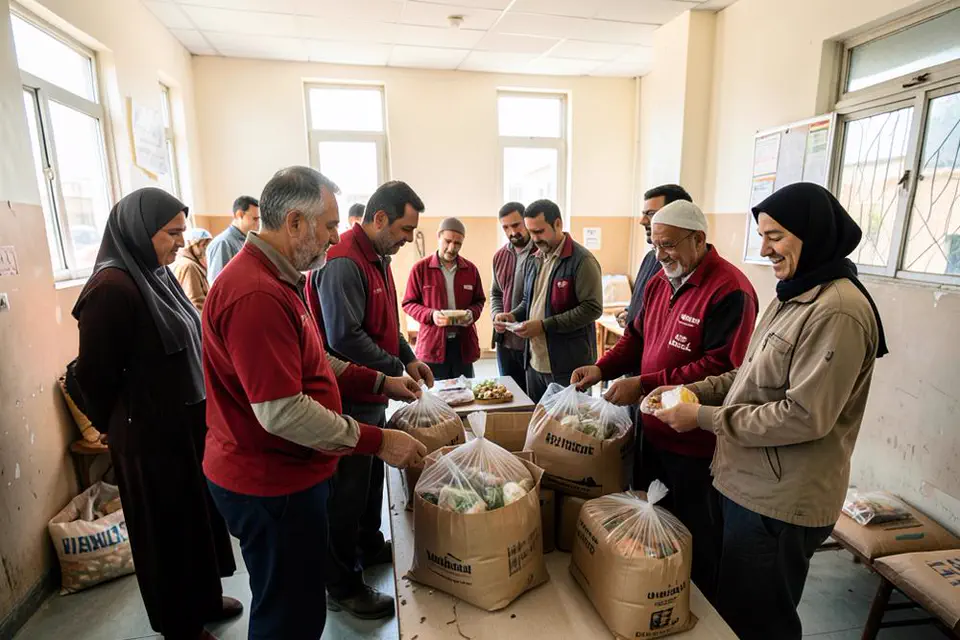
Transport teams kept supplies in a dry, shaded area and moved baskets in small batches to reduce crowding near the handover point. Quantities were recorded when leaving the store and checked again on arrival. When a volunteer noticed a damaged oil container during inspection, the team replaced it before collection and logged the issue for a review of packing arrangements with the supply coordinator.
Safer access and a calmer visit
Families followed a clear route from appointment confirmation to basket collection. A shaded seating area, drinking water and a shorter route supported people who needed additional assistance. Women volunteers welcomed women and answered their questions, while another team helped carry supplies to each family's chosen transport. Information was also explained aloud for visitors who found the signs difficult to read.
Supervisors reviewed arrivals each morning and adjusted appointments when one local access road became slower than expected. Where a household could not attend, the team discussed alternative collection arrangements and confirmed consent. In this fictional account, one volunteer observed, “Knowing what happens next helps people feel at ease.” Calm explanations gave visitors space to ask questions and make decisions about their own collection.
Volunteers working as one team
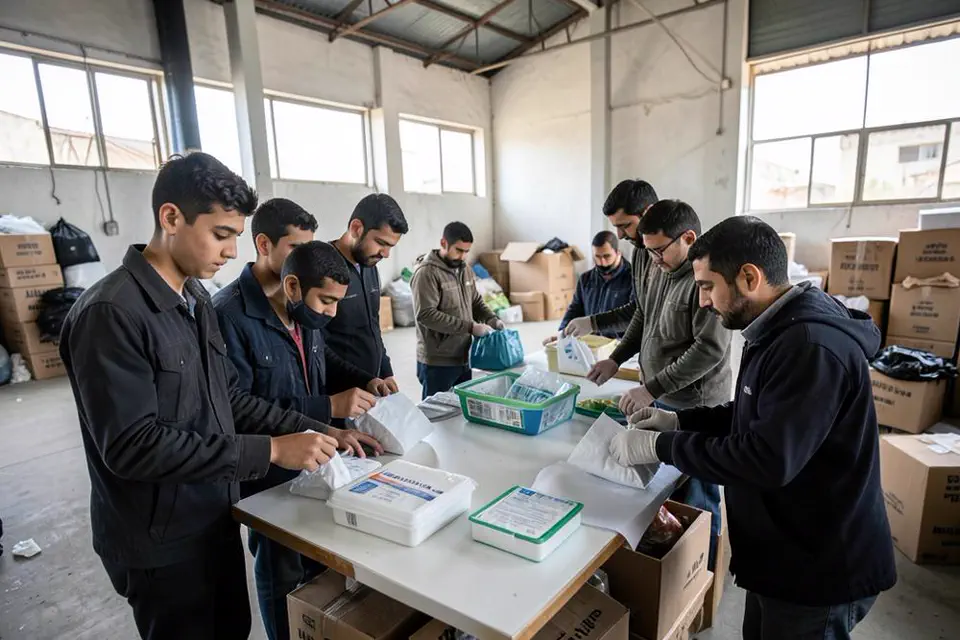
The scenario involved 36 volunteers supporting registration, directions, handovers and feedback. Each day began with a short briefing on roles, movement routes and rest points. Volunteers rotated duties so everyone could take a break, with a clearly identified supervisor available when a question or problem required a decision. A final stock count helped prepare the next day's collection schedule.
At the end of each day, the team gathered practical observations: were directions clear, was the waiting area comfortable, and had anyone needed assistance that was unavailable? Those conversations prompted staff to move an information board closer to the entrance and add a seat beside the verification desk. Small adjustments showed how observations from volunteers and community members could improve the next visit.
Listening after the distribution
A feedback desk remained available throughout the round. Staff explained that asking a question or making a complaint would not affect eligibility for assistance. Individual enquiries were discussed away from the queue, and only information needed for follow-up was retained. Registration questions went to the responsible team, while comments about opening times and supply quality were recorded for daily review.
Afterwards, the team contacted a sample of households about collection, the condition of supplies and the clarity of information. The findings informed a review of appointments and access arrangements, with proposed improvements shared with community representatives. This demonstration story illustrates how careful planning, volunteer teamwork and continued listening can support dignified assistance, while recognising that a food basket forms one part of an ongoing response.
Tags
Governorates
- Al Hudaydah