Skip to content

Leadership

We work alongside communities across Yemen to provide ambulance response, health care, safe water and humanitarian support, prioritising those most in need.

Head of Emergency Response

Sarah Al-Hadrami

Sarah brings ambulance teams, branch coordinators and support teams together to prepare for emergencies. Her role includes turning field assessments into clear priorities, reviewing readiness and helping teams understand their responsibilities when conditions change quickly. She also follows the availability of resources needed at response points.
Meet the team
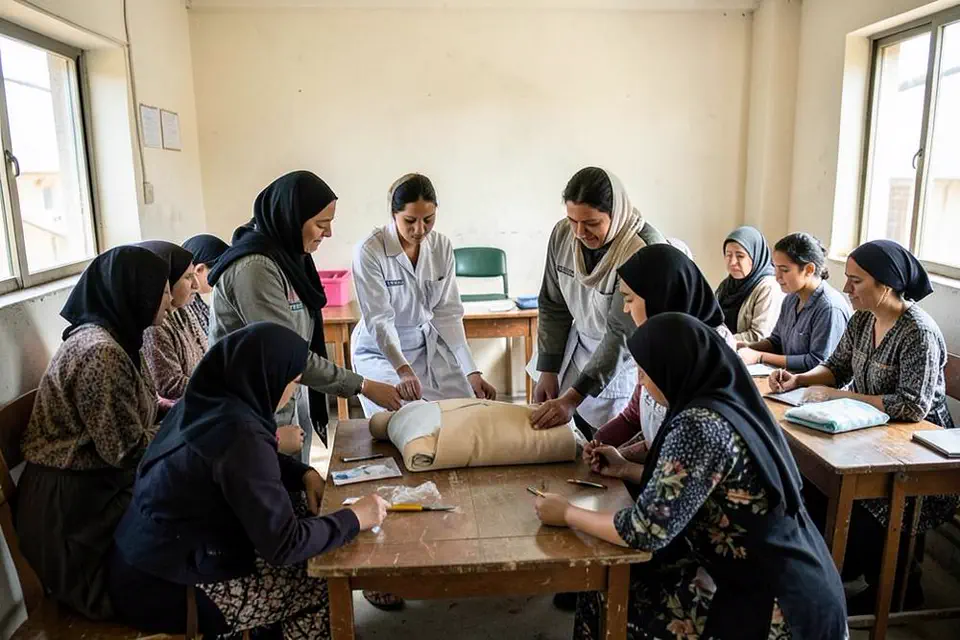
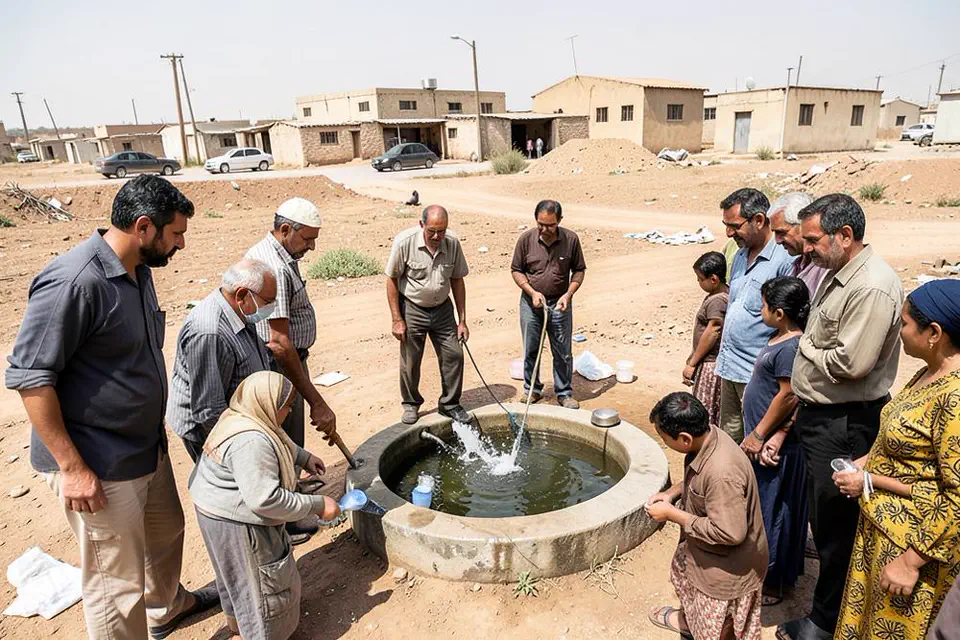
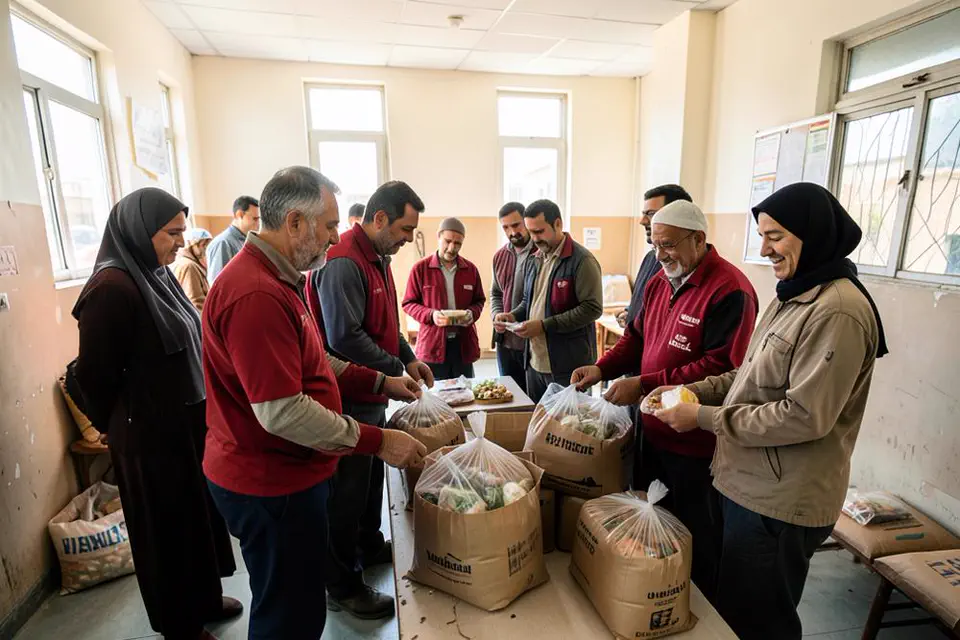
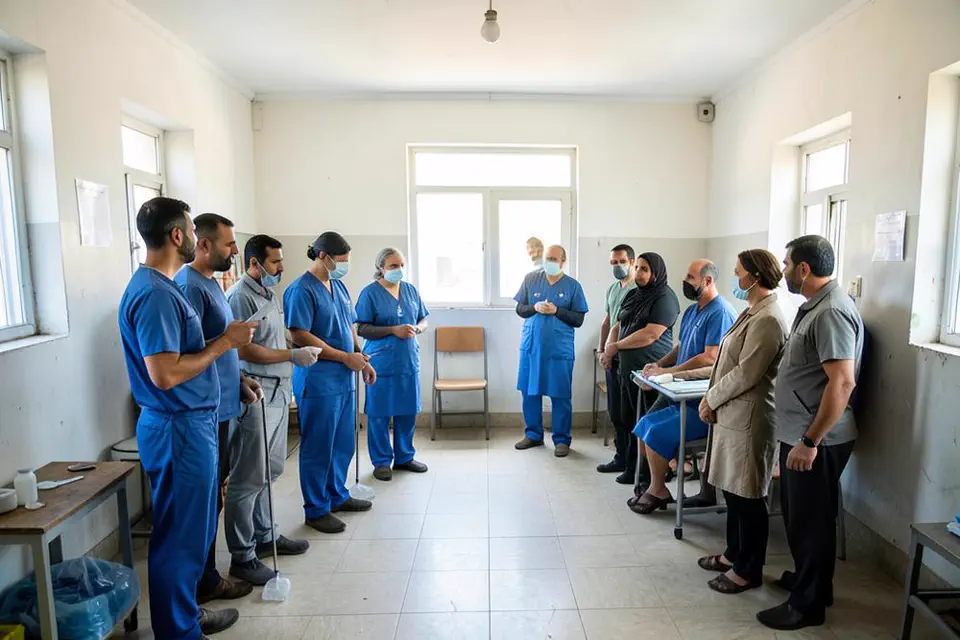
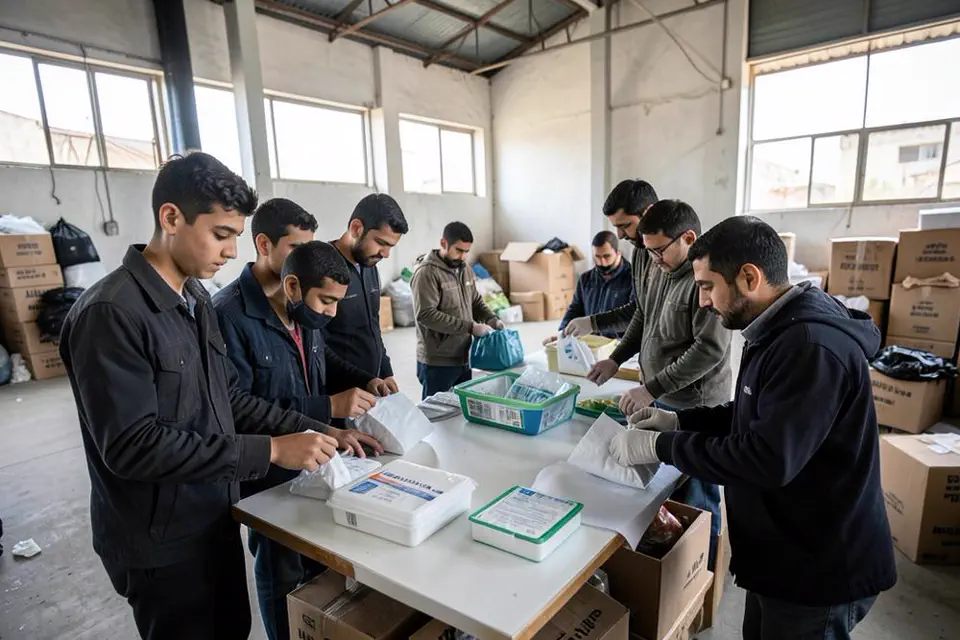
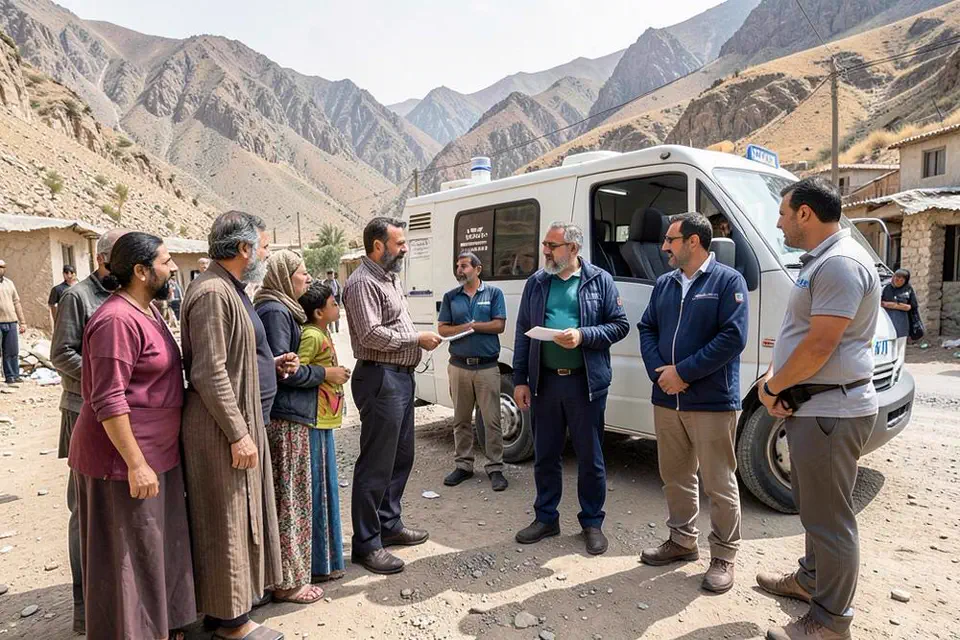
Volunteers during a field humanitarian activity

Leadership team

Explore each profile to learn about their work and areas of responsibility.

  • Volunteers during a field humanitarian activity

    Dr Amin Al-Sabri

    Director of Health Programmes

    Amin coordinates the work of mobile clinics, primary care teams and community health programmes. He helps align programme plans with needs identified by field teams, while working with support colleagues on the supplies, staffing and guidance required to deliver services. Access and continuity of care are central to this work. He reviews service reports and practical barriers with teams to understand where adjustments are needed. Feedback from people using the services helps shape outreach priorities and communication needs. His role connects those everyday observations with programme planning, supporting collaboration between health colleagues, volunteers and local branches. Coordinate clinics and community health programmes Connect field needs with service planning Review service access and community feedback

  • Volunteers during a field humanitarian activity

    Huda Al-Qubati

    Volunteer Development Manager

    Huda supports volunteers from their introduction to humanitarian work through their participation in local teams. She works with branch coordinators to understand training needs, clarify roles and help volunteers access the information and support needed for their tasks. Her role also connects everyday team needs with planning across the volunteer network. She encourages respectful participation and helps bring concerns about volunteer wellbeing and safeguarding into view. Feedback from volunteers, team leaders and communities highlights where guidance or training needs attention. By listening to those experiences, she helps build an environment in which volunteers can contribute with confidence and responsibility. Support training and clear volunteer roles Promote volunteer wellbeing and respectful participation Bring volunteer feedback into development plans

  • Volunteers during a field humanitarian activity

    Marwan Al-Hakimi

    Water and Sanitation Manager

    Marwan coordinates water and sanitation programmes by bringing together field assessments, technical support and local committee priorities. He helps teams plan rehabilitation work and understand the practical needs of each site. His role also supports collaboration with logistics, health and community engagement colleagues to connect water services with the wider response. He stays in contact with field teams about access challenges, maintenance concerns and changing needs. Community feedback helps the programme review whether services meet everyday needs and where adjustments are necessary. These observations guide follow-up, information sharing and planning, keeping the work connected to the people who use and maintain the services. Coordinate water assessments and rehabilitation work Support technical and logistics coordination at sites Follow maintenance needs and community feedback

  • Volunteers during a field humanitarian activity

    Reem Al-Areqi

    Logistics Manager

    Reem connects the needs of field teams with the support systems that source and move supplies. She coordinates stock planning, requests for materials and delivery arrangements with branches and programme teams. Her role requires a clear view of what is available, where it is needed and the practical barriers that may affect delivery. Regular updates from field colleagues help her adjust plans when priorities change. Feedback from response points also helps identify delays, gaps and opportunities to improve coordination. By keeping this information visible, she supports teams as they prepare for their work and plan for materials to reach the places where they are most needed. Coordinate supply requests and stock planning Follow materials through to response points Address logistics barriers with field teams

  • Volunteers during a field humanitarian activity

    Waleed Al-Ashwal

    Communications and Accountability Manager

    Waleed helps teams share clear information about services and participation, while listening to what people need to know. He works with branches, programme colleagues and volunteers to make communication understandable and relevant to local contexts. His role also supports accessible ways for community members to ask questions and share feedback. He works with field teams to understand recurring questions, concerns and gaps in information. Those insights help improve messages and bring issues requiring follow-up to the relevant colleagues. The work connects what teams hear on the ground with decisions about how services are explained and adapted, with attention to privacy and dignity. Share clear information suited to local contexts Support community questions and feedback channels Connect feedback with follow-up by relevant teams